Home / Articles
Traditional Korean Medicine for Posture | Ekdongmu Clinic
Home / Articles
Traditional Korean Medicine for Posture | Ekdongmu Clinic
Posture is more than just an aesthetic detail—it’s a cornerstone of long-term physical and emotional health. Good posture allows for efficient movement, optimal breathing, and a balanced nervous system. In contrast, postural misalignments can set off a domino effect: spinal stress, joint pain, poor digestion, fatigue, and even anxiety.
In today’s screen-centric lifestyle, postural issues are becoming alarmingly common. Long hours spent hunched over desks or mobile devices cause the head to shift forward, shoulders to round, and the spine to compress. What starts as minor discomfort can gradually evolve into chronic musculoskeletal disorders if left untreated.
Musculoskeletal issues tied to posture often begin subtly: a tight neck, occasional low back pain, or fatigue after sitting. But as misalignments persist, they place uneven stress on the spine and surrounding tissues, accelerating wear and tear. The most frequently observed issues include:
Moreover, the emotional impact shouldn’t be underestimated. Poor posture often correlates with stress, low confidence, and mood disorders. Several studies even suggest a link between posture and cognitive performance, highlighting its holistic importance.
Unlike conventional treatments that focus on symptom suppression, TKM emphasizes the root cause—often linked to Qi stagnation, blood flow restriction, or internal imbalances. At Ekdongmu, every patient undergoes a personalized assessment, factoring in energy flow, physical structure, and lifestyle patterns. Treatments typically combine several modalities:
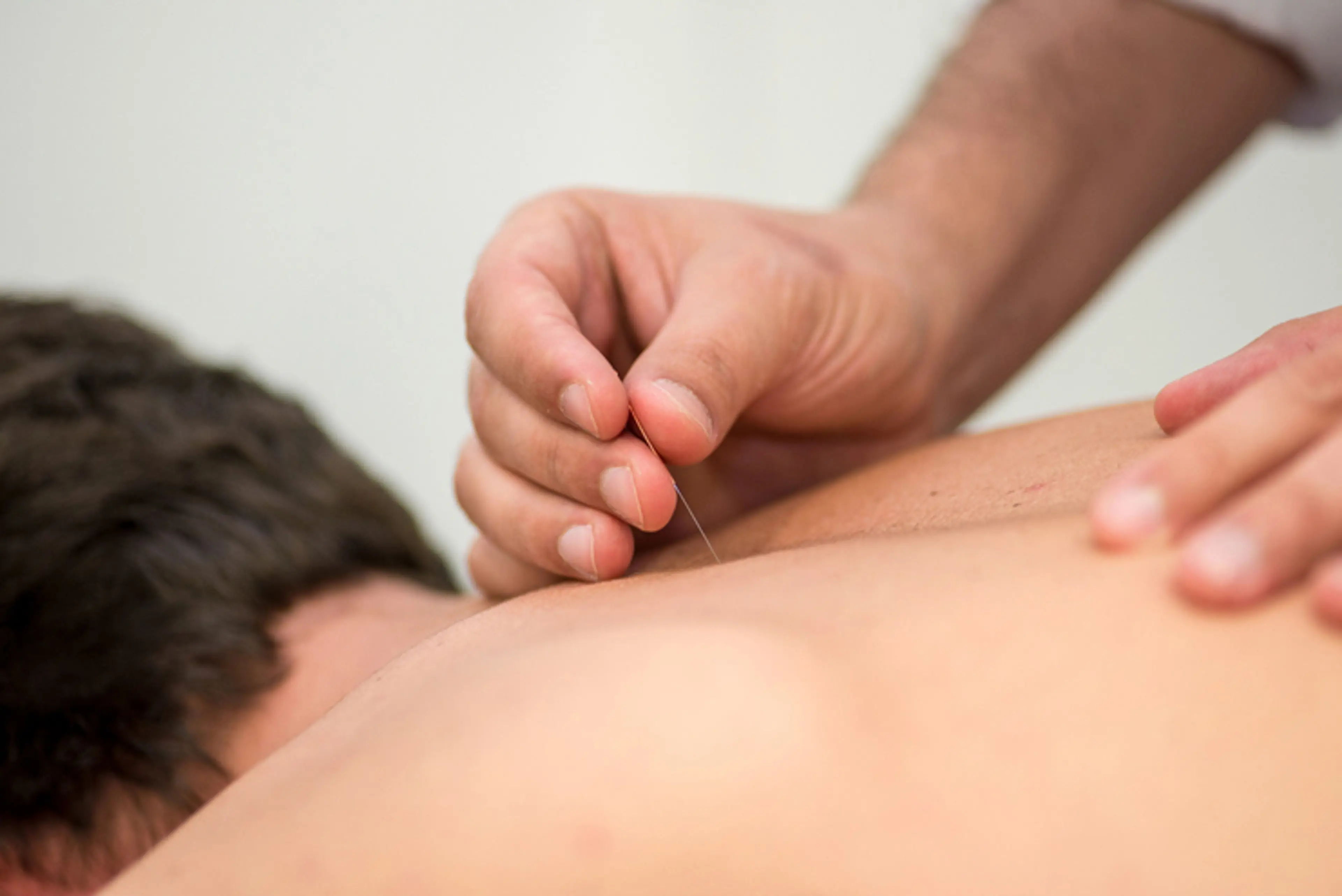
Acupuncture is central to postural correction. By stimulating targeted points along meridians, it helps:
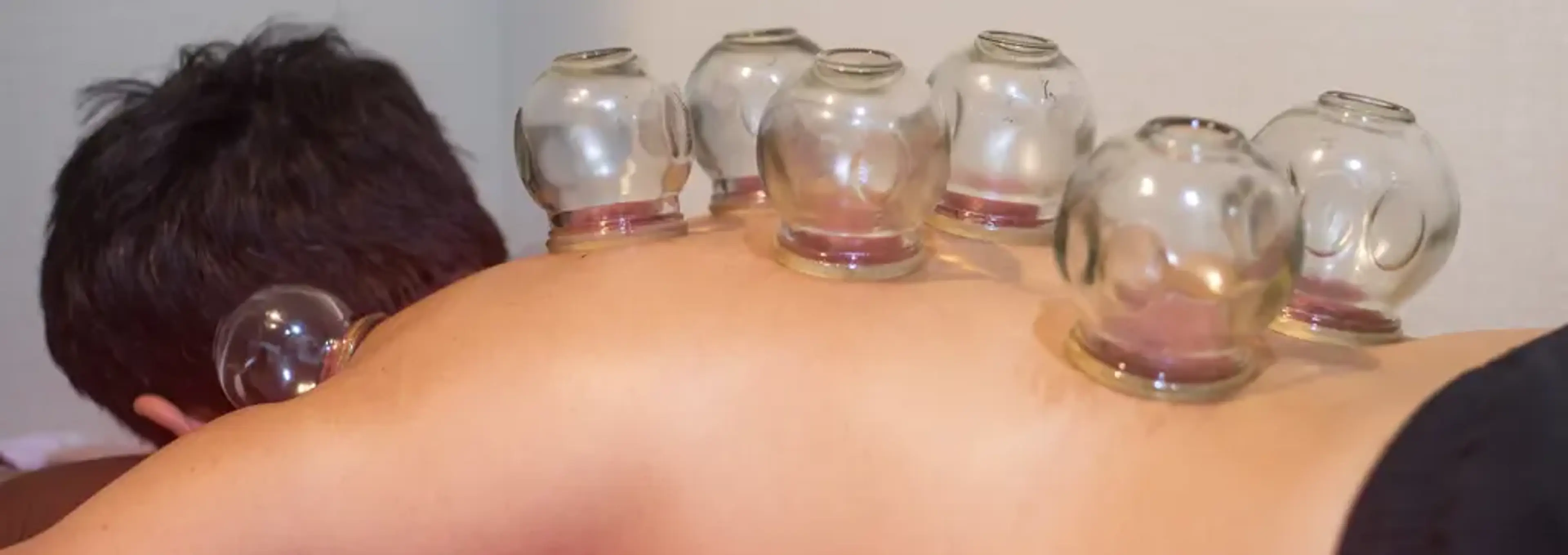
Cupping, long used across East Asia, involves creating suction on the skin to draw blood toward the surface. In postural therapy, it helps:
At Ekdongmu, dynamic cupping—where cups are moved along muscle lines—is often employed for stubborn stiffness in the trapezius, lumbar region, and gluteal muscles. Many patients report immediate relief and increased range of motion after treatment.
This lesser-known but potent therapy involves burning dried mugwort (moxa) over acupuncture points to apply gentle, penetrating heat. It’s especially beneficial for:
Moxibustion is typically used in tandem with acupuncture, intensifying therapeutic outcomes. The treatment is particularly well-suited for elderly patients or those with chronic cold sensations in the limbs.
Some clinically significant herbs include:
Herbs are dispensed as decoctions, pills, or topical patches and often paired with dietary guidance.
While passive therapies provide foundational relief, active retraining is essential for sustained improvement. Ekdongmu Clinic often collaborates with physical therapists to integrate:
One notable protocol includes a 4-week hybrid program: acupuncture twice a week, cupping or moxibustion on alternating days, and supervised corrective movement therapy. Patients with mild scoliosis or postural fatigue see marked improvements in just a month.
Modern musculoskeletal care often relies on structural imaging (X-rays, MRIs) and mechanical solutions like braces or surgery. While effective in some cases, these methods can overlook the energetic, lifestyle, and emotional components of posture.
“Our clinic is a bridge,” says Dr. Kim. “We use ancient tools in a modern clinical setting. It's not about choosing East or West—it's about choosing what works best for the patient.”
Situated in Seoul's centrally connected Gangnam district, Ekdongmu Clinic is uniquely equipped to serve both locals and international visitors. What truly sets it apart?
Real patient reviews speak volumes. One visitor from Canada wrote:
“After a week at Ekdongmu, I went from barely managing my chronic back pain to walking Seoul’s streets pain-free. The team’s knowledge and care are unmatched.”
Postural issues don’t have to be a lifelong sentence. With the right blend of ancient insight and clinical precision, they can be corrected—gently, naturally, and effectively.